In an age where traditional retirement plans feel increasingly precarious and stock market volatility keeps investors on edge, a new asset class has emerged, offering a powerful path to financial independence: digital real estate.
Just like owning physical property, digital assets can appreciate in value, generate consistent rental income, and be sold for a significant profit. However, they come with none of the usual headaches of traditional real estate—no tenants, no leaky roofs, and a far lower barrier to entry. In 2025, more people than ever before are turning to this modern frontier to build scalable, passive income streams that are truly their own.
This guide will demystify the world of digital real estate. We will break down the fundamental principles, explore the most profitable asset types, and provide a comprehensive, step-by-step roadmap for building, buying, and monetizing a portfolio of online properties. We believe that with the right strategy and a trustworthy partner, digital real estate can become the cornerstone of your financial future.
What Is Digital Real Estate?
Digital real estate refers to any online property that you own and control, with the purpose of building, monetizing, and selling for a profit. These properties live on the internet instead of on a street corner, but their value is just as real.
The internet is home to over 5.55 billion users. This massive, global audience creates an insatiable demand for content, products, and services, and the digital properties that serve them are becoming increasingly valuable.
The most common and profitable forms of digital real estate include:
- Niche Websites: Content-driven sites that target a very specific audience or topic, such as RV travel, fly-fishing, or smart home tech. They generate income through display ads and affiliate links.
- eCommerce Stores: Online businesses that sell products directly to consumers. This includes everything from a small Shopify store to a full-scale direct-to-consumer brand.
- Blogs: While technically a type of website, blogs are often more personality-driven and focused on a single author’s journey or expertise. They build strong audiences through storytelling and can be monetized through courses, products, and sponsorships.
- YouTube Channels & Social Media Accounts: These are digital properties where the primary value is the audience. The size, engagement, and demographics of your followers can be leveraged to generate revenue from sponsorships, ad revenue, and brand partnerships.
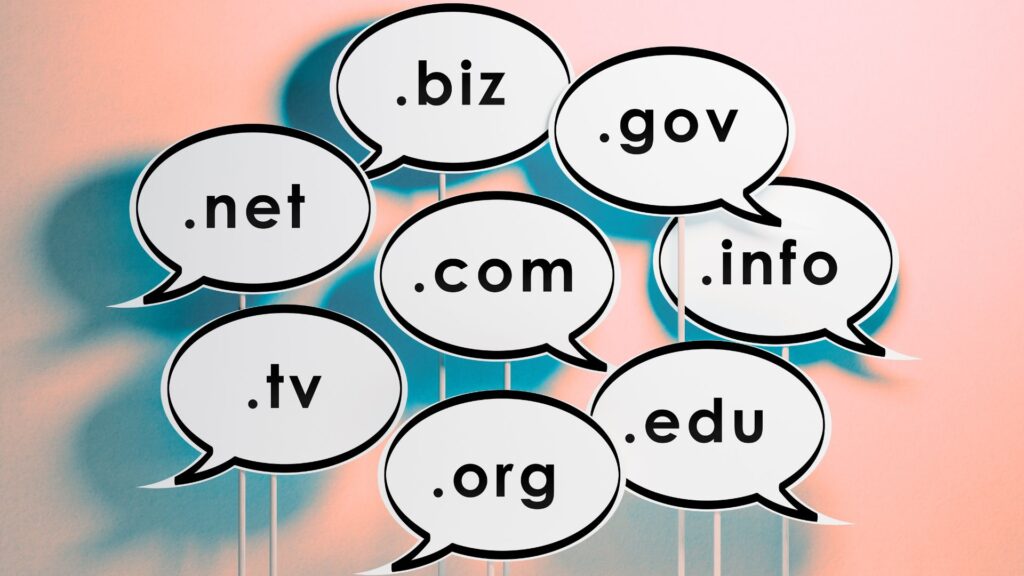
- Domain Names: Think of these as raw digital land. A short, memorable, or keyword-rich domain can be bought and sold for a profit, just like a prime piece of undeveloped land.
- SaaS (Software as a Service): These businesses sell a recurring software product on a subscription basis, creating a highly valuable and predictable monthly revenue stream.
Why Invest in Digital Real Estate?
The benefits of digital real estate are compelling for both seasoned investors and those new to the online world. They offer a unique combination of high returns, flexibility, and tangible control that is hard to find in other asset classes.
1. Low Barrier to Entry
You can acquire a content site or launch a blog for a few hundred dollars. Compare this to the cost of a down payment on a physical property, which can run into the tens or hundreds of thousands of dollars, not to mention closing costs, legal fees, and loan applications. The low entry point of digital assets makes them accessible to a wider range of investors.
2. High Returns and Fast Liquidity
A well-run digital asset can generate an incredibly high return on investment. Many online businesses are valued at a multiple of their monthly profit, often between 30x and 50x. A site earning just $1,000 per month can be sold for $30,000 to $50,000. Furthermore, the sale process is far quicker than with physical property, often taking weeks instead of months, providing excellent liquidity.
3. Scalability and Flexibility
Once you own one digital asset, it’s easy to grow your portfolio. You can manage multiple websites from a single laptop, anywhere in the world. You avoid the geographical constraints of physical real estate, allowing you to invest in niches and markets across the globe without ever leaving your home office.
4. Tangible, Diversified Income
Unlike a stock or a mutual fund, you have direct control over a digital asset. You can improve its content, optimize its SEO, and implement new monetization strategies to boost its value. This ability to directly influence your investment’s performance, coupled with the ability to diversify revenue streams (ads, affiliate, products, sponsorships), creates a highly resilient and powerful income engine.
Top Digital Real Estate Assets That Generate Income
Let’s break down the most common digital properties you can build, buy, or flip for profit, with a focus on their unique earning potential.
1. Niche Websites & Content Blogs
These are the most popular starting points for digital investors. Their value is tied directly to their traffic and authority in a specific niche. Revenue Sources:
- Display Ads: Partner with ad networks like Google AdSense or Mediavine to earn money based on pageviews.
- Affiliate Marketing: Recommend products or services (e.g., from Amazon Associates) and earn a commission on every sale.
- Digital Products: Sell your own eBooks, courses, or guides directly to your audience.
- Sponsored Content: Brands pay to be featured on your site in a post or review.
Investor Strategy: Buy a content site that already has a steady stream of traffic. Your job is to improve its content, build more links, and optimize its SEO to grow its value and monthly cash flow.
2. eCommerce Businesses
This is a more hands-on form of digital real estate, but the rewards can be significant. eCommerce businesses sell physical or digital products. Revenue Sources:
- Product Sales: Direct revenue from selling goods.
- Dropshipping: A low-inventory model where the supplier ships products directly to your customers.
- Subscriptions: A recurring revenue model for products (e.g., a coffee-of-the-month club).
Investor Strategy: Look for businesses with a strong brand, a loyal customer base, and diversified supplier relationships.
3. SaaS (Software as a Service)
SaaS businesses are the gold standard for recurring revenue. They offer a software product on a monthly or annual subscription basis. Revenue Sources:
- Monthly Recurring Revenue (MRR): Predictable income from subscriptions.
- Annual Recurring Revenue (ARR): Large, lump-sum payments from yearly subscriptions.
Investor Strategy: SaaS businesses are often more expensive but also more stable. They are ideal for investors seeking predictable, long-term cash flow with high multiples.
4. Domain Names
Domain names are the most liquid form of digital real estate. They are bought and sold based on their potential. Revenue Sources:
- Flipping: Buy a domain at a low price and sell it for a profit to an interested party.
- Leasing: Rent the domain to a business for a monthly fee until they are ready to purchase.
- Parking: Place ads on the domain while it’s waiting to be developed or sold.
Investor Strategy: This is a speculative but potentially very high-return investment. Look for short, memorable, or highly relevant keyword domains.
How to Start Investing in Digital Real Estate
Getting started is more accessible than ever, especially with marketplaces that simplify the process. Here’s a step-by-step approach to begin your journey:
Step 1: Choose Your Niche and Asset Type
Your investment success begins with your selection. Start by picking a niche you’re genuinely interested in or have experience with. Then, decide on your asset type. Want to write? Go for a blog or content site. Prefer predictable income? Look for an established SaaS business. Looking for a long-term project? A growth-oriented content site might be ideal.
Step 2: Buy or Build Your First Digital Asset
You have two primary options, but for an investor, one is clearly superior.
- Build: Start a blog, YouTube channel, or social account from scratch. This route is low-cost but incredibly time-consuming and risky. The vast majority of new websites fail to generate any significant income.
- Buy: Purchase an existing site or account with a proven history of traffic and income. This is the investor’s shortcut. It allows you to bypass the most difficult and risky phases of entrepreneurship and start with a tangible, revenue-generating asset from day one.
Step 3: The Due Diligence Deep Dive
This is the most critical phase of the buying process. A professional marketplace like Silkyroad.net provides the tools to simplify due diligence, but the responsibility to review the data is yours.
The Silky Road Verified Advantage: Our listings come with verified financials and traffic. Sellers connect their accounts (like Google Analytics, Stripe, and AdSense) directly to the listing, giving you objective, third-party data you can trust.
Your Due Diligence Checklist:
- Financial Verification: Does the profit and loss statement match the connected accounts? Are all expenses clearly accounted for?
- Traffic Analysis: Where is the traffic coming from? Is it diversified (organic search, social media, direct)? A reliance on a single traffic source is a major risk.
- SEO Profile: Check the backlink profile. Is the site’s traffic growing or declining? Has it been hit by any recent Google penalties?
- Operational Review: How much time and effort does the business require? What are the recurring costs? Are there any third-party relationships that need to be maintained?
Step 4: The Acquisition and Optimization
Once due diligence is complete, you make an offer. The transaction is handled securely through our integrated escrow service. This protects both you and the seller, ensuring the funds are released only after you have verified the successful transfer of all assets.
After the purchase, your job is to optimize and grow the asset. Update old content, improve site speed, and build an email list. The beauty of digital real estate is that a few small improvements can have a dramatic impact on your cash flow and the asset’s long-term value.
Risks and Challenges to Consider
While digital real estate offers huge earning potential, it’s not without risks. Being aware of the common pitfalls will help you avoid costly mistakes.
Market Volatility and Algorithm Changes
Digital platforms evolve quickly. A Google algorithm update can dramatically affect a website’s traffic overnight, while changes to a social media algorithm may reduce reach and engagement. Mitigation: Diversify your portfolio. Own multiple assets across different niches and platforms. If one site takes a hit, your others will continue to generate income.
Overpaying for Assets
It’s easy to get excited about a high-traffic website, but without proper due diligence, you might overpay for an asset that won’t deliver returns. Mitigation: Use objective data. Rely on third-party verification, and consult with valuation experts to ensure you are paying a fair price based on the site’s actual performance.
Time and Maintenance Commitment
Even “passive” digital income requires ongoing effort. Websites need fresh content, affiliate links need updating, and social media accounts require consistent posting. Mitigation: Be realistic about the time commitment. Start with a low-maintenance asset and scale your portfolio as your skills and time allow.
Legal and Compliance Issues
If you buy a site with plagiarized content, expired licenses, or unapproved affiliate links, you could face legal trouble. Mitigation: Make sure your due diligence includes a thorough legal and compliance review. Our platform encourages sellers to provide clear ownership and proper disclosures.
Acquire Your Ideal Business
Step Into Entrepreneurship: Find the perfect digital business to fuel your ambitions on Silkyroad.net. From e-commerce stores to content sites, browse profitable opportunities and secure your future.
Conclusion
Digital real estate is a powerful way to build long-term wealth online. It’s a scalable, flexible, and accessible asset class that offers significant returns without the high costs and logistical headaches of traditional investments. Whether you’re starting a blog, buying an existing website, or growing a social media presence, the opportunities are real, and so are the profits.
But remember, this isn’t a “set it and forget it” investment. Like physical property, digital assets need maintenance, marketing, and strategy. With the right approach and a trusted partner like Silkyroad.net, you can turn your digital investments into reliable income streams or profitable assets to sell down the line.
Don’t just dream about a more secure financial future. Take control of it by acquiring a valuable, profitable digital asset. The opportunity is waiting for you on Silkyroad.net.