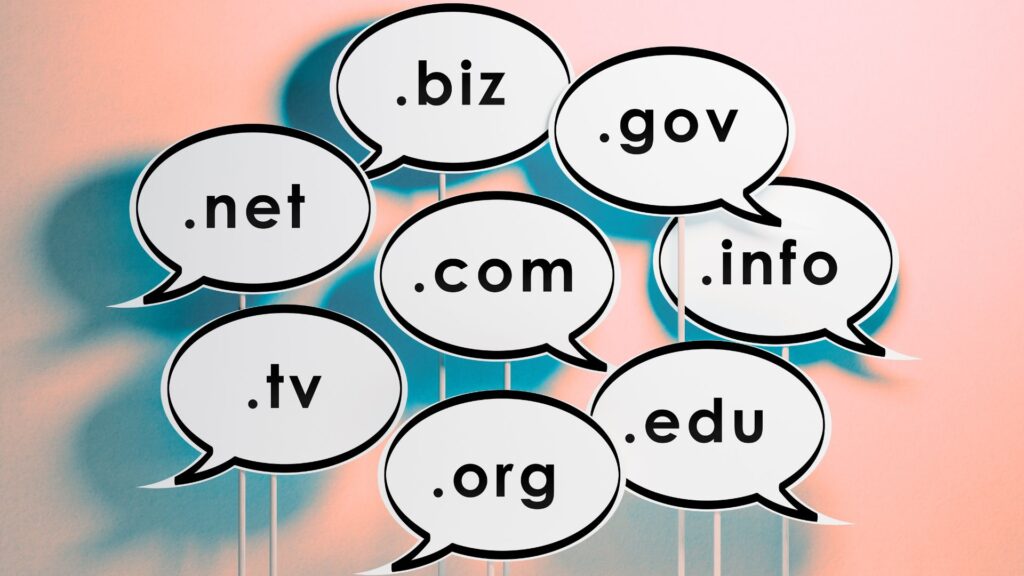
A domain name is more than just a web address. It is the digital equivalent of a business name, a street address, and a brand rolled into one. It is a piece of digital real estate, a cornerstone of your online identity, and for many businesses, their most valuable asset.
But just like physical real estate, the process of buying or selling a domain name is fraught with potential legal and technical pitfalls. It’s a world governed by intricate regulations and surprising complications that can turn a great deal into a costly nightmare.
In this definitive guide, inspired by the expert insights of legal professional Jeanette Jifkins, we will break down the three most common legal and technical issues you must understand before buying or selling a domain name. We will provide a comprehensive, step-by-step roadmap to help you navigate this landscape with confidence, ensuring your transaction is secure and your digital asset is protected.
This isn’t just theory—it’s a practical guide to securing your investment and avoiding the headaches that can derail even the most promising deal.
Part 1: The Foundation – Understanding Domain Name Ownership & Authority
The first and most fundamental legal issue when transacting a domain name is simple: Does the person selling the domain name actually have the legal right to do so?
The answer is not always as straightforward as it seems. Many people mistakenly believe that because they pay the annual renewal fees or have access to the domain’s settings, they are the legal registrant. This is a dangerous assumption that can lead to a failed transfer and a lost investment.
The Problem of the “Long-Lost Developer”
In the early days of the internet, and even today, it was common for web developers, designers, or agencies to register a domain name on behalf of their clients. They would be listed as the “registrant,” while the client might only be listed as the “administrative” or “technical” contact. This often happened because the client didn’t understand the difference, or the service was packaged as a “free website.”
The result is a ticking time bomb. The business owner has full access to the website, receives renewal notices, and believes they own the domain. But when it comes time to sell, they discover they lack the legal authority to transfer it.
Demystifying the WHOIS Record
The WHOIS record is a public database that contains the registration information for a domain name. It is the single most important document you must review. You can access this information for free by using a WHOIS lookup tool. As a buyer, your first step must be to verify the following fields:
- Registrant Name: This is the legal owner of the domain name. Only the person or entity listed here has the legal authority to approve a transfer.
- Administrative (Admin) Contact: This person has the authority to make administrative decisions regarding the domain. They can update nameservers, contact details, and other settings. While they have significant control, they are not the legal owner.
- Technical (Tech) Contact: This person is the technical point of contact for the domain. They handle technical issues and can make changes to DNS records, but they do not have the authority to transfer the domain.
- Billing Contact: This person is responsible for paying the annual renewal fees. As the original post mentions, this role can be misleading, as paying the bill does not grant you ownership.
Buyer’s Due Diligence Checklist for Ownership:
- Run a WHOIS Lookup: Immediately verify the Registrant Name.
- Match the Seller: Does the name in the Registrant field match the person or company you are transacting with?
- Ask for Proof of Ownership: If there’s a discrepancy, ask the seller to provide a notarized letter or other documentation from the named registrant authorizing the sale.
- Be Prepared for a Challenge: Understand that resolving ownership issues can be costly and time-consuming. Know your walk-away point.
Seller’s Preparation Checklist for Ownership:
- Run Your Own WHOIS Lookup: Before you list your domain, check the registrant name.
- Resolve Discrepancies: If you are not the registrant, contact the person or company listed and have the information updated. This may involve a difficult conversation or even a small payment.
- Gather Documentation: Have a paper trail showing you’ve been in control of the domain and have received renewal notices for years. This can help reassure a buyer.
The cost of a dispute resolution under UDRP (Uniform Domain Name Dispute Resolution Policy) starts at around $2,000, not to mention legal fees. A few moments of research at the beginning can save you from a major financial headache down the road.
Part 2: The Transfer Gauntlet – From Paper to Property
Even if the seller has the legal right to sell, do they have the present ability to transfer the domain name to you fully and promptly? This is a separate, often technical issue that can cause significant delays and risk.
Many enthusiastic amateurs—on both the buying and selling side—don’t understand the technical process of a full domain transfer.
The Steps of a Proper Domain Transfer
A smooth transfer involves multiple steps that both parties must follow.
- Unlock the Domain: The seller must log in to their registrar account and “unlock” the domain. This is a security measure to prevent unauthorized transfers.
- Get the EPP/Authorization Code: The seller must obtain the domain’s unique EPP (Extensible Provisioning Protocol) or authorization code from their registrar. This is like a secure password for the transfer.
- Turn Off Privacy Settings: If the domain has a WHOIS privacy service enabled, it must be disabled temporarily to allow the transfer to be initiated.
- Initiate the Transfer: The buyer takes the EPP code and initiates the transfer from their own registrar account.
- Seller Approval: The seller receives an email requesting them to approve the transfer. They must click a link to approve the transfer.
- Transfer Completion: The transfer process, depending on the domain extension and registrars involved, can take anywhere from a few hours to 7 days.
Common Pitfalls That Cause Delays:
- 60-Day Transfer Lock: If the domain was just registered, or the registrant details were recently changed, registrars often place a 60-day lock on the domain to prevent fraud. This cannot be bypassed.
- Incorrect EPP Code: The authorization code is often a long, alphanumeric string, and an incorrect character will immediately fail the transfer.
- Incorrect Information: The registrant information you input when initiating a transfer request must match the current WHOIS information. A mismatch will cause the transfer to be rejected.
- Seller Unpreparedness: The most common issue. The seller may not know how to unlock the domain or find the EPP code. They might be using a registrar with a confusing interface or a service provider that has locked the domain behind a complex system.
Buyer’s Due Diligence Checklist for Transfer:
- Research the Registrar: Find out who the current registrar is and research their transfer process.
- Confirm Transferability: Ask the seller if the domain has any transfer locks (e.g., the 60-day lock).
- Communicate: Be proactive and ask the seller to provide a clear timeline for the transfer.
- Use a Trustworthy Platform: The most secure way to mitigate this risk is to use a service that protects your funds during the transfer period. Silkyroad.net’s integrated escrow service ensures the seller only receives payment after the transfer is complete and you have verified ownership.
Seller’s Preparation Checklist for Transfer:
- Be Prepared to Take the Lead: Do all the hard work to get the domain transferred. Even if you state in your listing that the buyer is responsible, a good-faith effort to help is legally and professionally expected.
- Understand Your Registrar’s Process: Know exactly how to unlock the domain, get the EPP code, and approve the transfer.
- Communicate with the Buyer: Keep the buyer updated throughout the process to build trust and show you are a reliable partner.
Any delays in a domain name transfer can increase the risk of the registration lapsing, which can result in you losing your rights to the domain.
Part 3: The Trademark Minefield – Avoiding Legal Disputes
This is arguably the most significant legal risk. A domain name is a piece of property, but it must not infringe on the intellectual property of others. Who else out there is likely to want to fight you for the domain? The answer is often someone who has a prior claim through a registered trademark or a common law business name.
Trademarks 101: The Basics
A trademark is a brand name, logo, or slogan used to identify and distinguish products or services from others. It gives the owner exclusive rights to use that mark in connection with the goods and services for which it was registered.
The most common misconception is that a domain name registration gives you a legal right to the name. It does not. If you register Coke.com, The Coca-Cola Company can and will sue you to regain control of it, regardless of who is in the WHOIS record.
The 45 Classes of Trademarks
A key legal concept to understand is the “classes of trademarks.” There are 45 different classes of goods and services. A trademark is registered for a specific class or classes. This means the same name can be registered by different companies in different classes without infringing on each other.
- Example 1: Apple. Apple Computer, Inc. (Class 9 for electronics) is a different entity from Apple Corps Ltd. (Class 9 for audio and video). The two famously had a long-standing legal battle over the use of the “Apple” name, illustrating the complexity.
- Example 2: RoadRunner. In the 1990s, Internet access provider RoadRunner Computer Systems had control of the domain name
Roadrunner.com. Warner Brothers, which owns the “Road Runner” cartoon character, had a legitimate basis to complain, but the legal reality was complex because the businesses operated in different classes. The dispute was settled, and Time Warner now controls the domain, but it highlights the potential for expensive legal battles even if you technically have the right to the name.
Due Diligence Checklist for Trademarks and Business Names
As a buyer, you must be a detective. Your goal is to uncover any potential disputes before they become a problem.
- Conduct a Trademark Database Search: The first and most important step. Search your country’s trademark register (e.g., USPTO in the United States, IP Australia). Search for the exact phrase and variations. Look for any existing or pending trademarks in your business’s class.
- Run a Global Trademark Search: For a truly comprehensive search, use an international database like WIPO (World Intellectual Property Organization) to check for trademarks in other countries, especially if your business is global.
- Check Business Name Registers: In many countries, you must also check local business name registries to ensure the name isn’t in use as a business name, even if it’s not a registered trademark.
- Perform a Comprehensive Web Search: Use Google, Bing, and other search engines to look for companies using the name as a brand or business. Even without a registered trademark, a long-standing business using a name can have “common law” rights to it, which can be legally defensible.
- Verify Social Media Handles: Are the corresponding social media handles (Twitter, Facebook, Instagram) available or in use by a competitor? This is a key part of your brand identity.
Buyer’s Due Diligence in a Risk Scenario: Let’s say you find a great domain, but a small, unrelated business has a similar name in the same class. You have to ask yourself:
- What is the likelihood of a dispute?
- What is my budget for a legal fight?
- Is the domain’s value, after considering the legal risk, still worth the price?
- Can I negotiate the sale price down to account for the risk?
Part 4: Proactive Risk Mitigation & The Role of Silkyroad.net
Given the complexities of ownership, transfers, and trademarks, how can you protect yourself and ensure a secure transaction? The key is to be proactive and use a platform built to handle these issues.
For Sellers: The Path to a Premium Sale Price
A prepared seller will always get a better price. Buyers are willing to pay a premium for a clean, risk-free transaction.
- Clean Up Your WHOIS: Before you list, make sure the WHOIS record is accurate and up-to-date, with you as the legal registrant.
- Conduct a Trademark Search: Do your own homework. Be prepared to show the buyer that you have done the research and that the domain is not at risk of a trademark dispute.
- Be Prepared for a Fast Transfer: Have your EPP code ready. Be ready to communicate and approve the transfer quickly.
For Buyers: The Path to a Secure Investment
The more proactive you are, the less risk you assume.
- Insist on Verification: Never buy a domain without being able to verify the registrant information and the ability to transfer.
- Use a Secure Escrow Service: This is non-negotiable. Escrow protects you by holding your money until all assets (domain, files, passwords, etc.) have been transferred and you have verified they are correct.
The Silkyroad.net Solution
At Silkyroad.net, our platform is specifically designed to eliminate the common legal and technical pitfalls of domain transactions.
- Verified Listings: We work to ensure our listings have clean, verifiable ownership. Our platform encourages sellers to have their assets in order, which benefits everyone.
- Secure Escrow: Our integrated escrow service is the cornerstone of our security. It protects your funds and ensures that the transaction only completes when you have full, verified control of the domain and all associated assets.
- Structured Transfer Process: We provide a clear, step-by-step transfer checklist to ensure all key assets—from the domain to social media accounts and email lists—are correctly handed over.
By using a trusted marketplace like Silkyroad.net, you are not just buying a domain; you are gaining a partner that helps you navigate the complexities of digital asset acquisition, turning a high-risk endeavor into a secure and profitable investment.
Buy Your Dream Business
Step Into Entrepreneurship: Find the perfect digital business to fuel your ambitions on Silkyroad.net. From e-commerce stores to content sites, browse profitable opportunities and secure your future.
Conclusion
The legal and technical issues of buying and selling domain names can be intimidating, but they are not insurmountable. The three core issues—ownership authority, transferability, and trademark infringement—can all be mitigated with a proactive approach and a robust due diligence process.
A domain name can be the foundation of a new business, a key part of your investment portfolio, or a valuable asset to sell for a profit. By understanding the risks and preparing for them, you can protect yourself and ensure your transaction is a smooth, secure, and successful one.
Don’t leave your digital asset to chance. Do your due diligence, be prepared, and use a platform designed to protect your investment. Your financial future depends on it.